
Genesis 11:1-9
The End of Culture
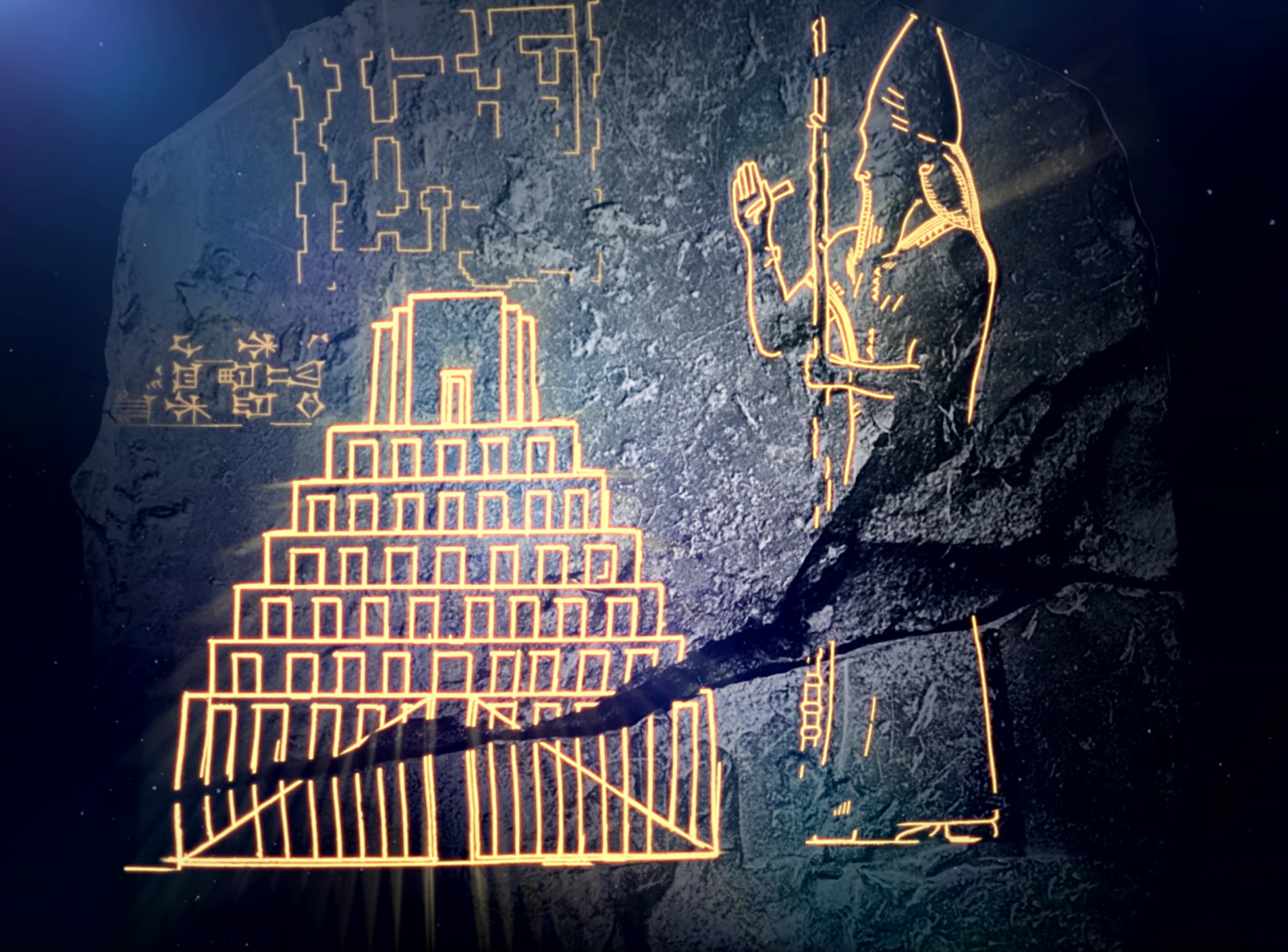
Image Caption: Tower of Babel Stele (ca 600 BC). "Nebuchadnezzar, king of Babylon am I: In order to complete [the towers] Etemenanki and Eurmeiminanki, I mobilized all countries everywhere … the base I filled in to make a high terrace. I built their structures with bitumen and baked brick throughout. I completed it raising its top to the heaven …."Source: Some Very Compelling Evidence the Tower of Babel was Real (Smithsonian Institute) [https://www.facebook.com/SmithsonianChannel/videos/some-very-compelling-evidence-the-tower-of-babel-was-real/388706395150830/ (timestamp 2:29)] and Nebuchadnezzar’s ‘Tower of Babel’ (Armstrong Institute) [https://armstronginstitute.org/125-nebuchadnezzars-tower-of-babel]
Genesis 11:1-9 ⟡ Destruction of Culture
It would be difficult to exaggerate the impact of the power exerted by city-states in the third and second millenia BC. Cities of Mesopotamia and Egypt vied for control of surrounding regions in a way previously unseen. It was the age of empires.
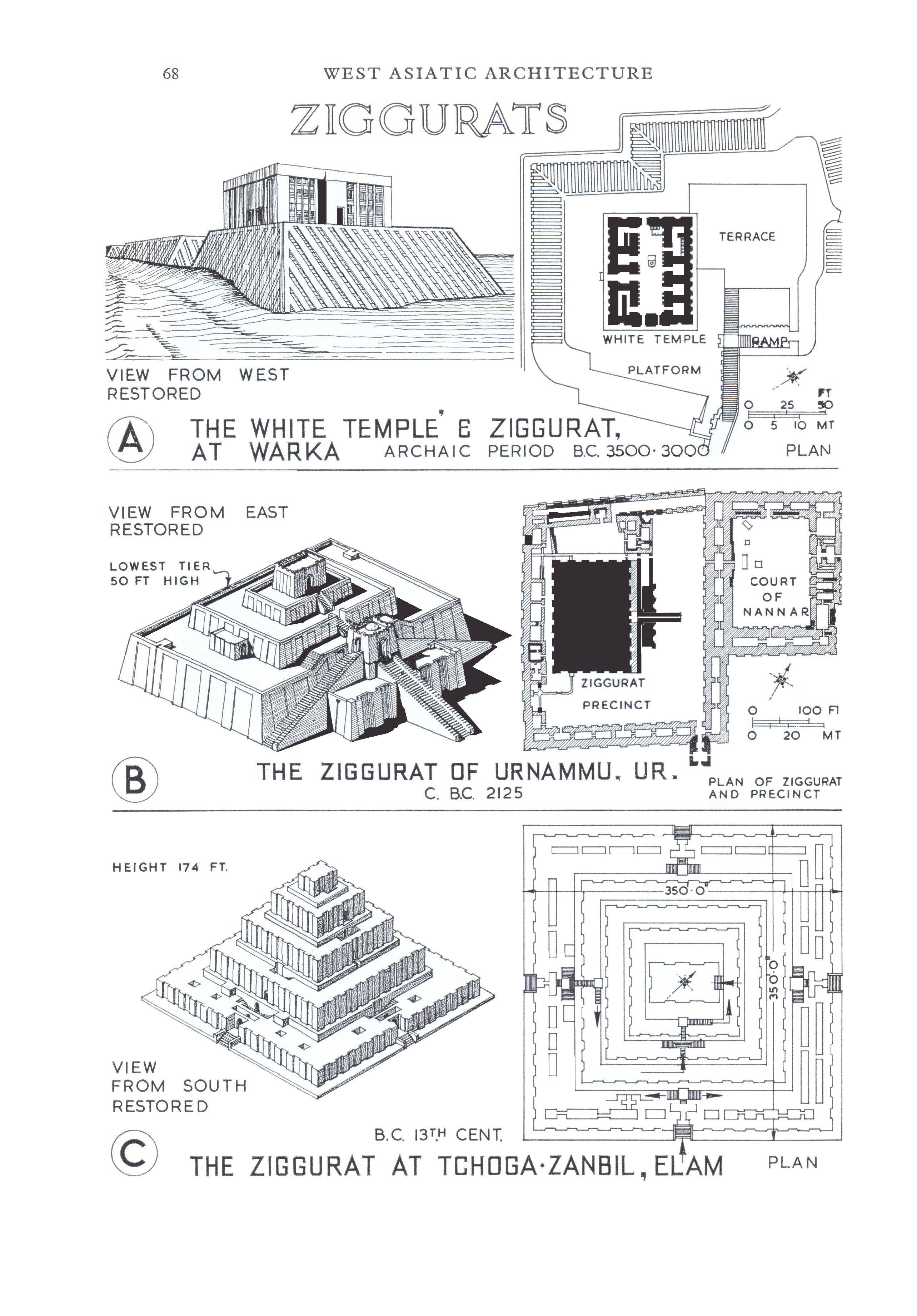 Image Caption: Ziggurats. Source: Ziggurats (Wikimedia) [https://upload.wikimedia.org/wikipedia/commons/0/0b/West_Asiatic_Architecture_68.jpg]
Nowhere was the majesty of a Mesopotamian city's power more magnified than in the towering structure of its ziggurat that became at once the region's center of worship and the manifestation of its deity's domination.
Image Caption: Ziggurats. Source: Ziggurats (Wikimedia) [https://upload.wikimedia.org/wikipedia/commons/0/0b/West_Asiatic_Architecture_68.jpg]
Nowhere was the majesty of a Mesopotamian city's power more magnified than in the towering structure of its ziggurat that became at once the region's center of worship and the manifestation of its deity's domination.
Little wonder, then, that the polemic against worldly powers opposed God's command to 'be fruitful, multiply, and fill the earth' should take the form of a concentrically structured mockery of those who try to make a name for themselves by building skyward.
The Tower of Babel
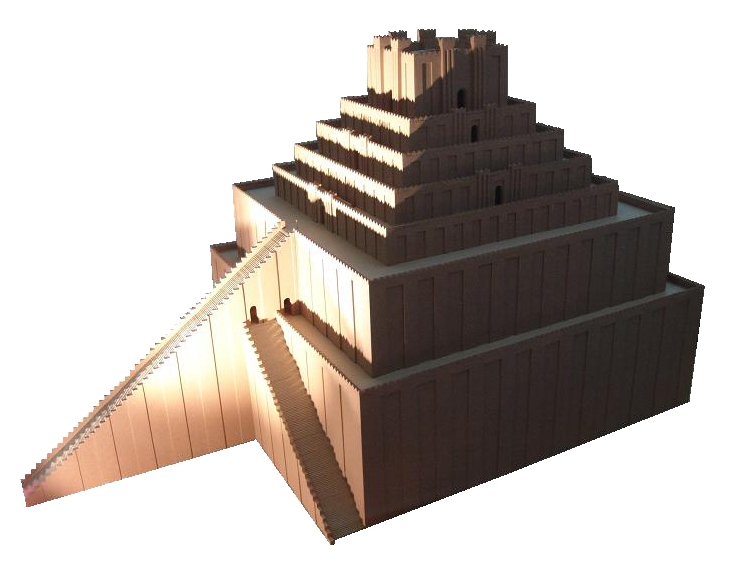 Image Caption: Model of the seven-tiered Etemenanki ziggurat at Babylon. Source: Etemenanki (Wikipedia) [https://en.wikipedia.org/wiki/Etemenanki]
The Tower of Babel is commonly identified with the Etemenanki, a ziggurat located in ancient Babylon, dedicated to the god Marduk. This ziggurat is believed to have influenced the biblical account of the Tower of Babel.
Image Caption: Model of the seven-tiered Etemenanki ziggurat at Babylon. Source: Etemenanki (Wikipedia) [https://en.wikipedia.org/wiki/Etemenanki]
The Tower of Babel is commonly identified with the Etemenanki, a ziggurat located in ancient Babylon, dedicated to the god Marduk. This ziggurat is believed to have influenced the biblical account of the Tower of Babel.
The seven-tiered account of Genesis 11:1-9 seems to be a polemic against the seven-tiered Neo-Babylonian temple design.
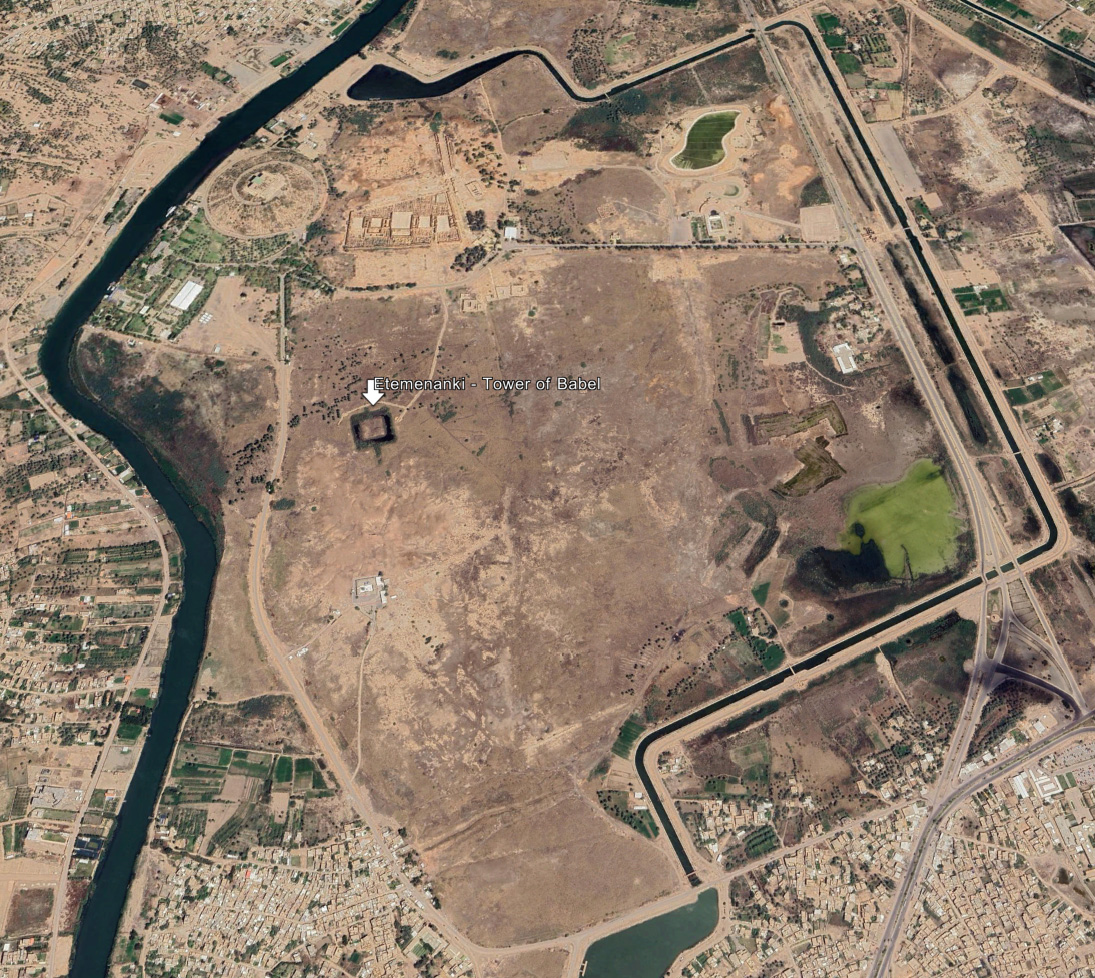 Image Caption: Aerial view of Babylon with Entemenanki remains. Source: Google Earth
Babylon became a ruin, and its ziggurat an eroded mound.
Image Caption: Aerial view of Babylon with Entemenanki remains. Source: Google Earth
Babylon became a ruin, and its ziggurat an eroded mound.
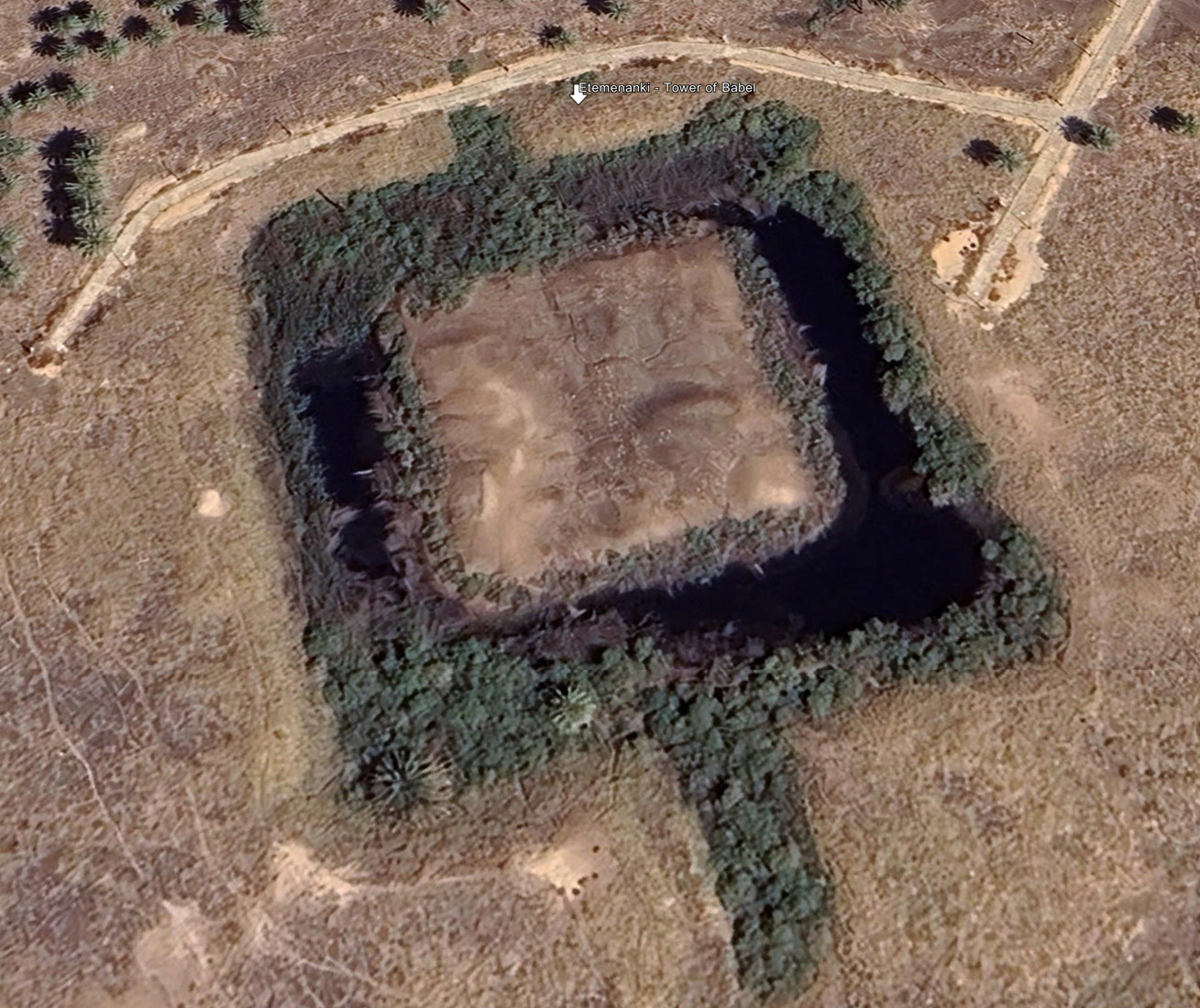 Image Caption: Aerial view of the mound of the Etemenanki ziggurat at Babylon. Source: Google Earth
All that remains of Babylon's massive ziggurat is an eroded mound in the midst of a watery moat.
Image Caption: Aerial view of the mound of the Etemenanki ziggurat at Babylon. Source: Google Earth
All that remains of Babylon's massive ziggurat is an eroded mound in the midst of a watery moat.
Genesis 11:1-9
| א וַיְהִי כָל-הָאָרֶץ, שָׂפָה אֶחָת, וּדְבָרִים, אֲחָדִים. |
1
Now the whole earth was of one language and of one speech. |
| ב וַיְהִי, בְּנָסְעָם מִקֶּדֶם; וַיִּמְצְאוּ בִקְעָה בְּאֶרֶץ שִׁנְעָר, וַיֵּשְׁבוּ שָׁם. | 2 And it came to pass, as they journeyed east, that they found a plain in the land of Shinar; and they settled there. |
| ג ַיֹּאמְרוּ אִישׁ אֶל-רֵעֵהוּ, הָבָה נִלְבְּנָה לְבֵנִים, וְנִשְׂרְפָה, לִשְׂרֵפָה; וַתְּהִי לָהֶם הַלְּבֵנָה, לְאָבֶן, וְהַחֵמָר, הָיָה לָהֶם לַחֹמֶר. |
3
And they said one to another: 'Come, let us make brick, and burn them thoroughly.’ And they had brick for rock, and clay had they for mortar.' |
| ד וַיֹּאמְרוּ הָבָה נִבְנֶה-לָּנוּ עִיר, וּמִגְדָּל וְרֹאשׁוֹ בַשָּׁמַיִם, וְנַעֲשֶׂה-לָּנוּ, שֵׁם: פֶּן-נָפוּץ, עַל-פְּנֵי כָל-הָאָרֶץ. |
4
And they said: 'Come, let us build us a city, and a tower with its top in the heavens, and let us make us a name; lest we be scattered upon the face of the whole earth.' |
| ה וַיֵּרֶד יְהוָה, לִרְאֹת אֶת-הָעִיר וְאֶת-הַמִּגְדָּל, אֲשֶׁר בָּנוּ, בְּנֵי הָאָדָם. |
5
And YHWH went down to see the city and the tower, which the sons of man built. |
| ו וַיֹּאמֶר יְהוָה, הֵן עַם אֶחָד וְשָׂפָה אַחַת לְכֻלָּם, וְזֶה, הַחִלָּם לַעֲשׂוֹת; וְעַתָּה לֹא-יִבָּצֵר מֵהֶם, כֹּל אֲשֶׁר יָזְמוּ לַעֲשׂוֹת. |
6
And the LORD said: 'Behold, they are one people, and they have all one language; and this is what they begin to do; and now nothing will be withheld from them that they purpose to do. |
| ז הָבָה, נֵרְדָה, וְנָבְלָה שָׁם, שְׂפָתָם--אֲשֶׁר לֹא יִשְׁמְעוּ, אִישׁ שְׂפַת רֵעֵהוּ. |
7
Come, let us go down, and there confound their language, so they cannot hear one another's speech.' |
| ח וַיָּפֶץ יְהוָה אֹתָם מִשָּׁם, עַל-פְּנֵי כָל-הָאָרֶץ; וַיַּחְדְּלוּ, לִבְנֹת הָעִיר. |
8
So YHWH scattered them from there upon the face of all the earth; and they ceased to build the city. |
| ט עַל-כֵּן קָרָא שְׁמָהּ, בָּבֶל, כִּי-שָׁם בָּלַל יְהוָה, שְׂפַת כָּל-הָאָרֶץ; וּמִשָּׁם הֱפִיצָם יְהוָה, עַל-פְּנֵי כָּל-הָאָרֶץ. {פ} |
9
Therefore was the name of it called Babel; for there YHWH confounded the language of all the earth; and from there YHWH scattered them upon the face of all the earth. {P} |
Rhetoric
Symmetry & Mimicry
The structure of the Tower of Babel story is symmetrical and concentric, like a ziggurat, but its also ironic — focusing on the irony of the turning event at the center, when YHWH descends to the highest human structure. Everything in this account proves, what goes up must come down.
J.P. Fokkelmann was the first to suggest a concentric patterning of repetitions in the Tower of Babel account (Narrative Art in Genesis, Studia Semitica Neerlandica [Assen, The Netherlands: Van Gorgum, 1975], pp. 11-45, esp. p. 22; ET: Narrative Art in Genesis: Specimens of Stylistic and Structural Analysis, The Biblical Seminar 12 [Sheffield: Sheffield Academic Press, 2d edn, 1991], pp. 11-45, esp. p. 22). This concentric form not only mimics the bilaterally symmetrical appearance of a ziggurat, whose building it portrays but, in the literary context of Genesis, continues a sequence of narratives or sagas whose concentric forms alternate with chronologically arranged genealogical reports.
Structure
Context
This account is the second of two catastrophe accounts: one against nature and one against culture. Since the turning point of this cultural judgment comes when God descends to see what humanity has built (a city and tower) we can infer that something of humanity's technical and urban enterprise symbolizes the hubris that stands as an affront to God's mandate to disperse and fill the earth, following an agrarian lifestyle. Indeed, throughout the Bible, Babel/Babylon comes to be a symbol of urbanized humanity in rebellion against God (cf. Jacques Ellul, The Meaning of the City, trans. Dennis Pardee [Grand Rapids: Eerdmans, 1970], esp. pp. 10-23).
Blessing & Cursing
Ironically, this dual account portrays both the fulfillment of the divine blessing to fill the earth (cf. Gen. 9:1, 7 with the distribution of nations in the Table of Nations), and an account of divine judgment and cursing (evidenced in international fragmentation, alienation and resultant dispersion from the divine judgment at the Tower of Babel). After the redemption of Noah comes a catastrophic judgment on postdiluvian city builders: God curses human culture (11:7).
The reversal of the chronological order of Gen. 10 and 11, seems to have been motivated from a concern: (1) to preserve the alternating order of genealogy and narrative account; and (2) to place Gen. 11, the sole act of divine judgment in Gen. 1–11 that lacks a movement of divine grace (Dumbrell, The Faith of Israel, p. 21), at the end of this division to provide a reason for the new departure which will begins with the promise to Abram (Gen. 12:1-3) mediated through Shem's line (Gen. 11:10-26).
Ending with unmitigated divine judgment, the account of Gen. 11:1-9 forms a transition to and rationale for the emergence of a divinely elect people, the descendants of Abraham, to mitigate grace and restore blessing to cursed humanity.
A Tale of Two Cities
A wordplay between the city bbl 'Babel' and verb bll 'confuse’ epitomizes the polemic satire against this city as the source of world confusion.
In disobedience to the command of God to fill the earth (9:1), the settlers of Shinar tried to form one nation (10:32) and to make a name for themselves (11:4).
This was apparently an act of human presumption against the divine will, but it seems significant that the chief expression of hubris against God takes the form of the religious cult of Mesopotamia, a city culture. In the end, it is the prerogative of God alone to choose who and which nation should receive a great name (cf., Gen. 12:1-3). It is to this end that Gen. 11:10-26 furnishes a transitional vertical genealogy: the line of Shem leading to Abram.
This saga presents man's archetypal arrogation of the rights and prerogatives of God. The arrogance of the City of Man is a major theme in the Bible, e.g., Isa. 14; Ezek. 28; and Revelation. All who exalt themselves to the station of God are cast down.
In Hebrew and Christian tradition, Nimrod is considered the builder of the Tower of Babel, though the Bible never states this. Nimrod's kingdom included the cities of Babel, Erech, Akkad in Shinar (Gen 10:10). Josephus believed Nimrod built Babel and its tower; also the view of the Talmud (Chullin 89a, Pesahim 94b, Erubin 53a, Avodah Zarah 53b), and later midrashim, such as Genesis Rabba.
By faith Abram dwelt in the promised land as a stranger in a foreign country. He lived in tents, as did Isaac and Jacob, who were heirs with Abram of the same promise. For he was looking forward to the city with foundations, whose architect and builder is God. (Heb. 11:9-10)
Ironically, the sacred space of the tower is answered by an encounter with God on a mountain not made with human hands, when Moses and Israel meet YHWH at Sinai, the high point of the series of theophanies in Exodus.
History will end when an eternal city, the City of God, comes down from heaven (Rev. 21:2).
Linguistic Antiquity
Some of the oldest attested languages in the world, from the oldest civilizations, are in the family of the Afroasiatic languages. The oldest in the group is Ancient Egyptian, which is known from one of the earliest writing systems, hieroglyphics. All the other languages that are attested from ancient times are in the Semitic sub-family. The oldest of these is Akkadian, which evolved into the closely related Babylonian and Assyrian languages. The writing system of Akkadian, however, cuneiform, was not created by the speakers of that language, but by the speakers of the unrelated Sumerian. Akkadian came to prominence and, indeed, dominance with the kingdom of Sargon of Akkad. Sumerian appears to have all but died out as a spoken language by the end of the III Dynasty of Ur, c.2000 BC. Egyptian itself died out as a spoken language as recently as the 17th century AD, under the influence of Arabic and Islam.
Sources
- J.P. Fokkelmann, Narrative Art in Genesis, Studia Semitica Neerlandica (Assen, The Netherlands: Van Gorgum, 1975), pp. 11-45, esp. p. 22; ET: Narrative Art in Genesis: Specimens of Stylistic and Structural Analysis, The Biblical Seminar 12 (Sheffield: Sheffield Academic Press, 2d edn, 1991), pp. 11-45, esp. p. 22
- Jacques Ellul, The Meaning of the City, trans. Dennis Pardee [Grand Rapids: Eerdmans, 1970], esp. pp. 10-23
- William J. Dumbrell, The Faith of Israel: A Theological Survey of the Old Testament (Baker, 2d edn, 2002), p. 21
- Nimrod (Wikipedia) [https://en.wikipedia.org/wiki/Nimrod]